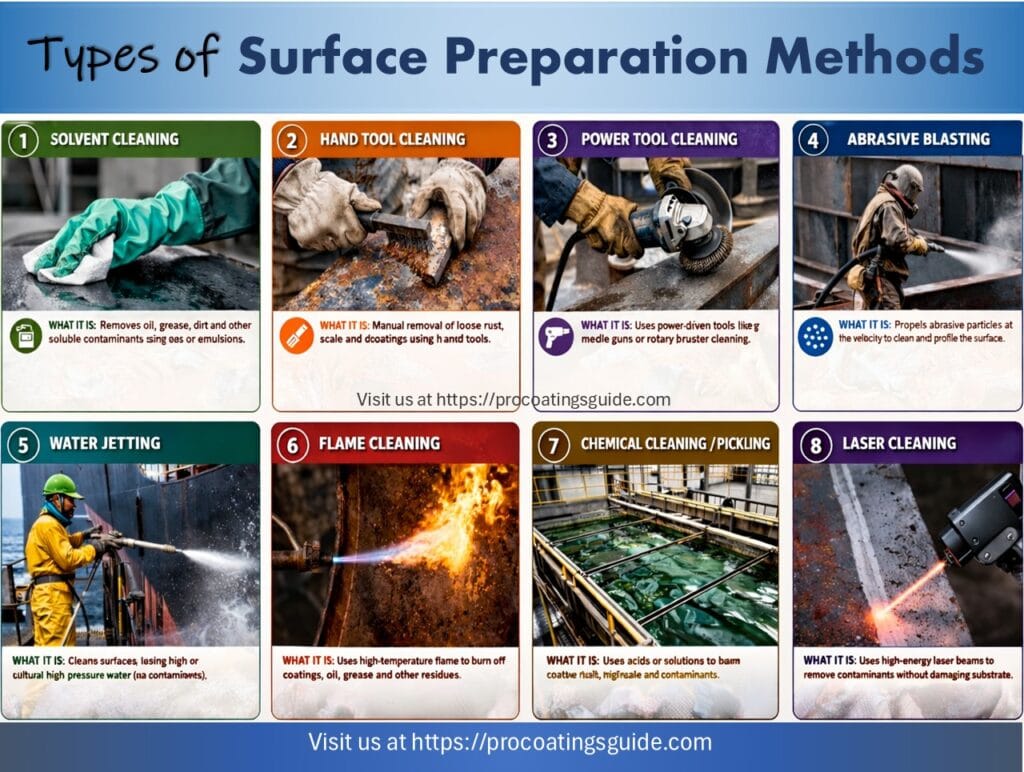
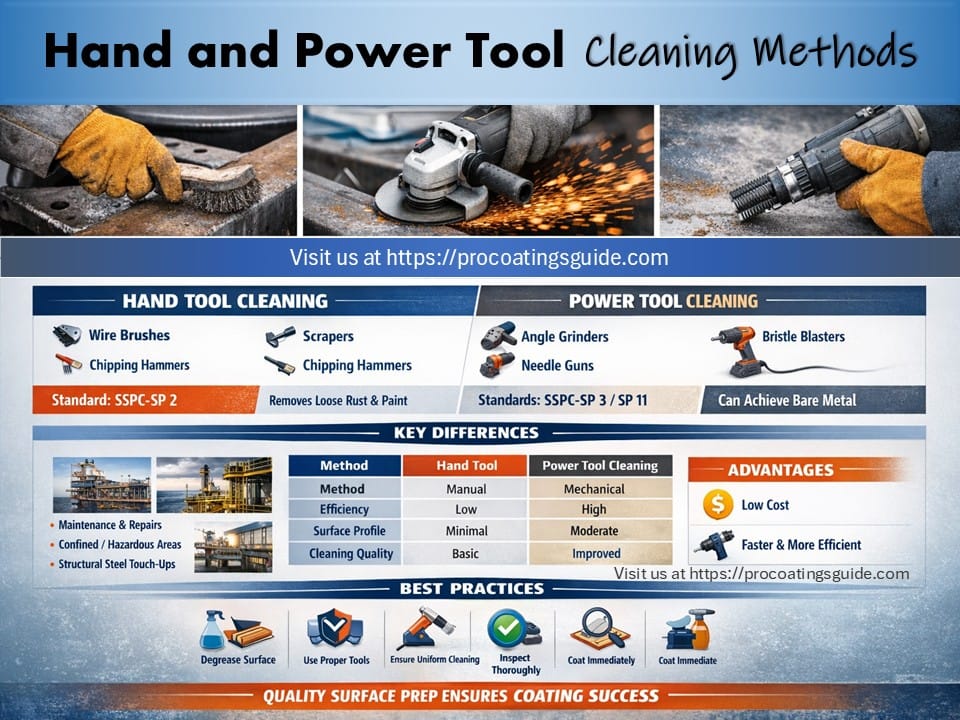
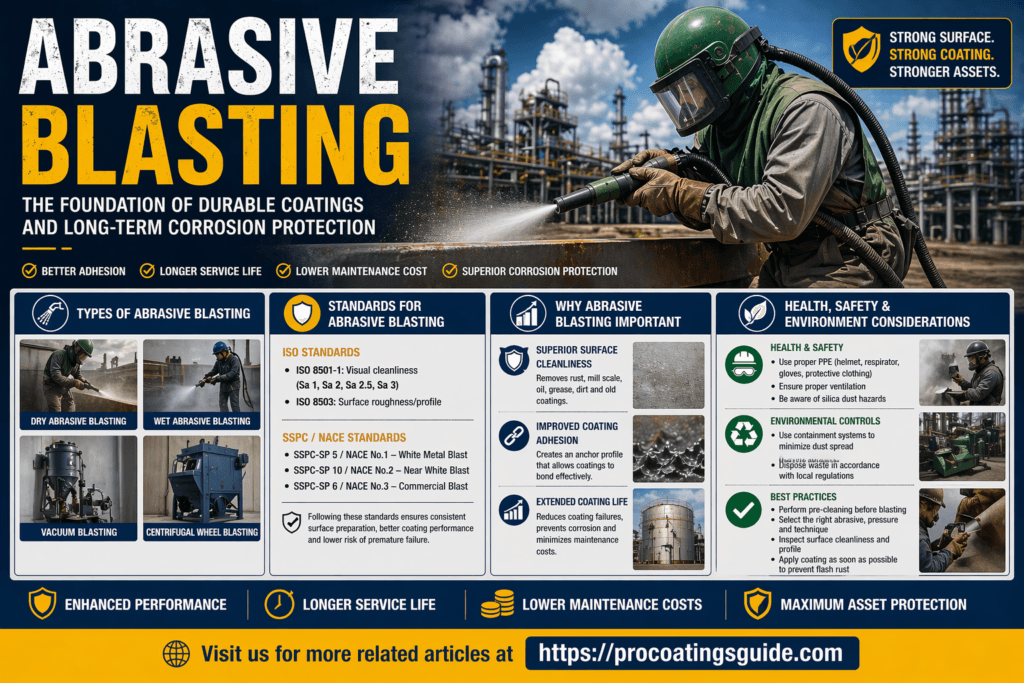
Surface preparation is the backbone of any successful coating system. Among modern techniques, water jetting has emerged as a highly effective and environmentally responsible method for preparing steel and other substrates. This article explores what water jetting is, how it works, standards involved, benefits, limitations, and best practices for industrial applications.
What is Water jetting?
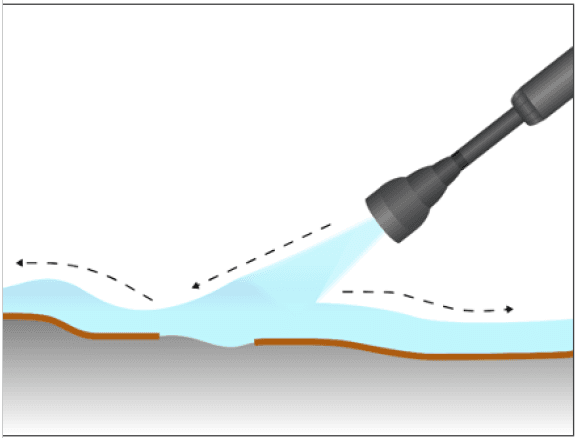
Water jetting is a surface preparation method that uses high-pressure water—often exceeding 10,000 psi (≈700 bar)—to remove contaminants such as:
Rust
Old coatings
Salts and chlorides
Dirt, grease, and debris
Unlike abrasive blasting, waterjetting does not use solid abrasives, making it a cleaner and more environmentally friendly option.
Applications
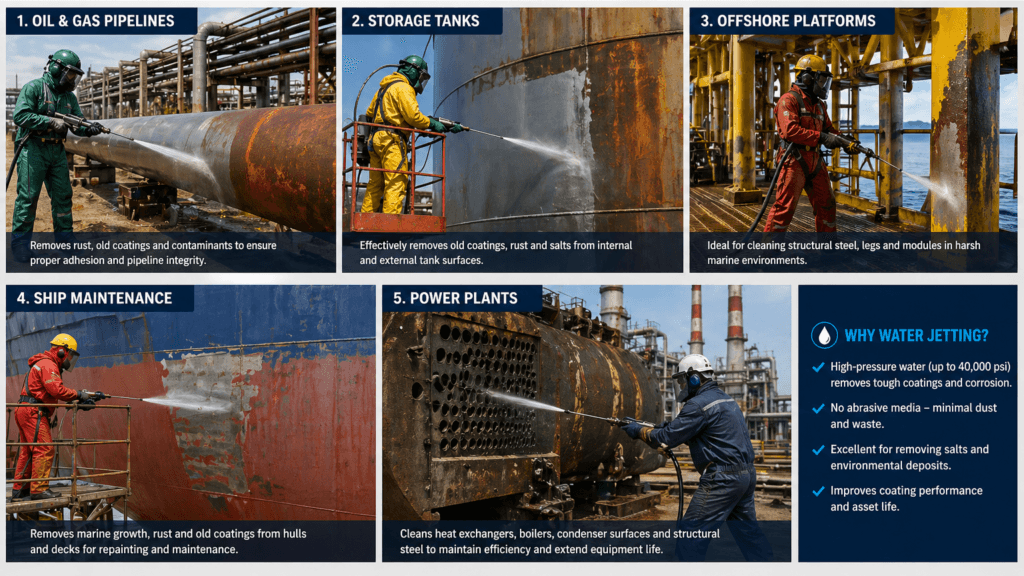
Waterjet cleaning is particularly well suited for the marine industry and utility industries.
For example, waterjetting can be used when extensive surface preparation and/or surface decontamination with minimal effect on the surrounding equipment and environment is required.
In the marine industry, waterjetting is widely used to remove marine growth and exhausted antifouling coatings and is also effective in removing marine growth on the submerged sections of offshore structures.
Ultra- high pressure waterjetting has become the preferred method of removing non-visible contaminants (soluble salts) in the industry today.
Additionally, ultra-high waterjetting has become the preferred method of removing old coatings, especially flexible coating films such as elastomeric polyurethane and polyureas that are very difficult and expensive to remove by abrasive blast cleaning.
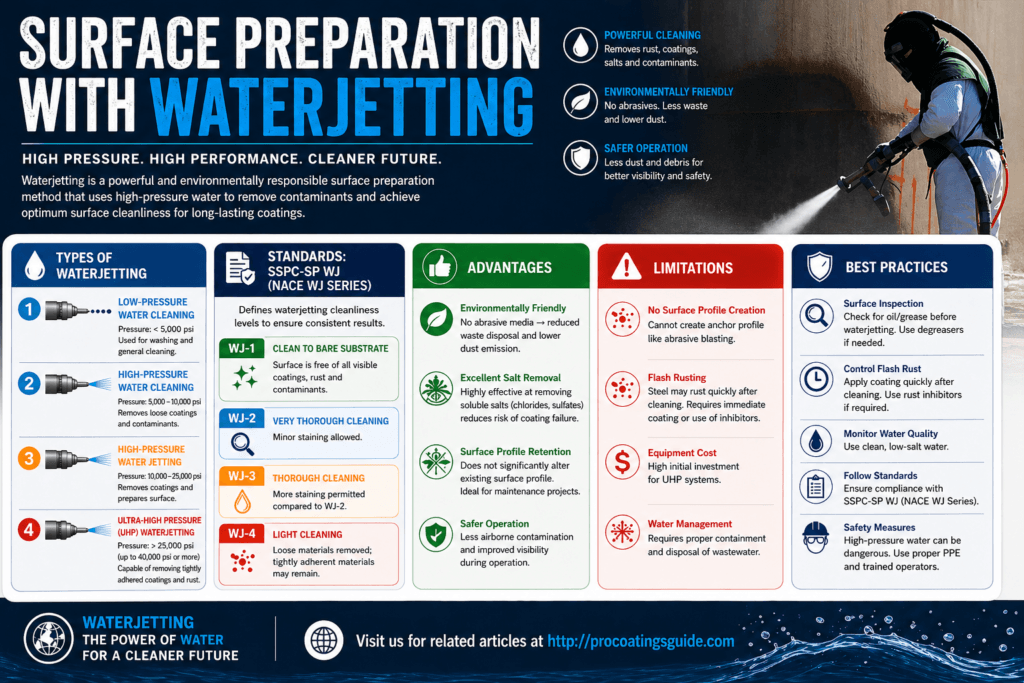
Types of Water Jetting
1. Low-Pressure Water Cleaning
Pressure: < 5,000 psi
Used for washing and general cleaning
2. High-Pressure Water Cleaning
Pressure: 5,000–10,000 psi
Removes loose coatings and contaminants
3. High-Pressure Water Jetting
Pressure: 10,000–30,000 psi
Removes coatings and prepares surface
4. Ultra-High Pressure (UHP) Water jetting
Pressure: > 30,000 psi (up to 50,000 psi or more)
Capable of removing tightly adhered coatings and rust
Advantages
✅ Environmentally Friendly
No abrasive media → reduced waste disposal
Lower dust emission compared to abrasive blasting
✅ Salt Removal Efficiency
Highly effective at removing soluble salts (chlorides, sulfates)
Reduces risk of coating failure
✅ Surface Profile Retention
Does not significantly alter existing surface profile
Ideal for maintenance coating projects
✅ Safer for Confined Spaces
Less airborne contamination
Improved visibility during operation
Disadvantages
❌ No Surface Profile Creation
Cannot create anchor profile like abrasive blasting
May require prior blasting for new steel
❌ Flash Rusting
Steel may rust quickly after cleaning
Requires immediate coating or use of inhibitors
❌ Equipment Cost
High initial investment for UHP systems
❌ Water Management
Requires proper containment and disposal of wastewater
❌ Risk of Injection Injuries
Highly skilled operators are needed for waterjetting.
A skilled operator reduces the potential for injection injury from the high pressures.
Water jetting Equipment
Water Jetting Equipment Overview
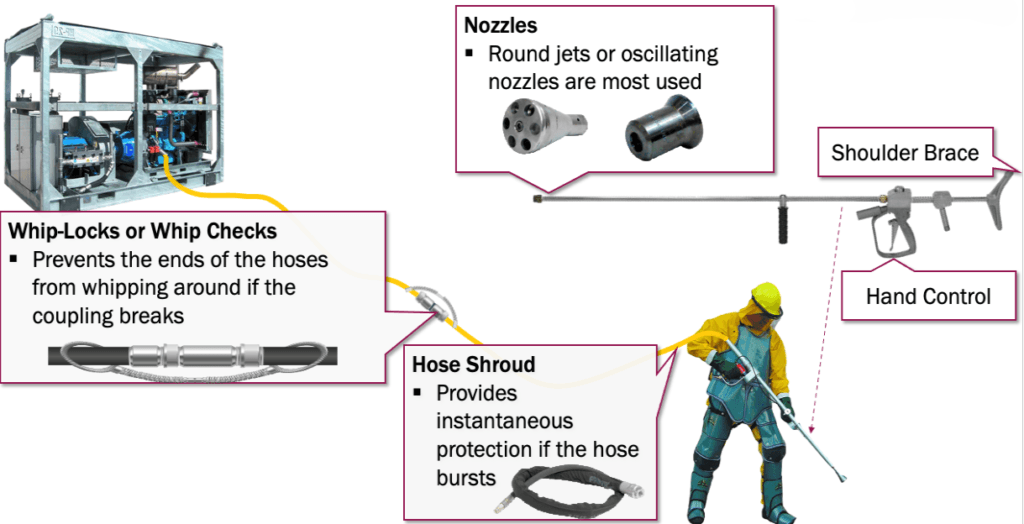
The waterjet cleaning system generally includes a high-pressure water pump attached to a motor, a high-pressure hose, and a specially designed nozzle called a waterjetting gun or wand.
A high-pressure hose carries the pressurized water from the pump to the nozzle.
It is a fitted whip check which is a short length of cable or wire looped over each end of the two hoses connected by a coupling. The whip check prevents the ends of the two hoses from whipping around if the coupling breaks.
The section of the hose closest to the wand is fitted with a hose shroud that provides protection if the hose bursts spontaneously.
A waterjetting gun or wand controls the release of the pressurized water. It contains operator hand controls plus a shoulder brace for managing back thrust. High-pressure wands are typically longer than a standard pressure washer wand, which allows for a greater standoff distance and increased safety.
The wand is fitted with nozzle tips that come in a variety of forms and sizes. Round jets or oscillating nozzles are most commonly used.
Tips can be designed to produce multiple jets of water that rotate automatically to achieve higher removal rates. The round jets are used as scutters, and fan jets are used as scrapers and/or pushers.
Water Jetting Standards
The preparation of surfaces through water jetting is governed by industry standards jointly developed by NACE and SSPC.
There are some similarities between the abrasive blasting cleanliness levels and the water jetting cleanliness levels. However, the most significant difference is that these standards only describe four levels of cleanliness instead of five.
Surfaces prepared by water jetting have a different appearance in color than those prepared by dry abrasive blasting.
The steel surface prepared by water jetting may turn to a golden hue unless an inhibitor is used. A surface cleaned by water jetting may also show discoloration from heat-affected zones.
SSPC-VIS 4 / NACE VIS 7, supplements the written standards with photos depicting the appearance of unpainted and painted steel, with or without rust, prior to and after cleaning by waterjetting.